




Housing costs play a central role in how you plan your month and your year. In downtown Austin, where nearly 54.7% of households rent, renting is the most common way people live close to the city’s energy.
Downtown Austin is largely made up of condominium towers and high-rise apartment communities, which means most renters are comparing buildings, amenities and floor plans rather than different housing types.
As of May 2026, the average rent in downtown Austin is approximately $3,000 per month.* Recent market data shows asking rents closer to the mid-$3,000 range, with effective rates varying based on concessions and lease terms.*
Current market averages show roughly:
- Studios: ~$2,050 per month*
- One-bedroom apartments: ~$2,850 per month*
- Two-bedroom apartments: ~$4,800 per month*
- Three-bedroom apartments: ~$9,400 per month*
While studios typically have the lowest overall rent, many downtown residents choose to share two- or three-bedroom apartments, which can reduce the cost per person compared to living alone.
Across the submarket, monthly rents can range widely depending on the building, floor plan, views and amenities. In general, downtown Austin apartments range from ~$2,000 to $10,000+ per month for luxury residences or penthouses.*
Read Next: How to Find Roommates in Downtown Austin
To better understand the cost of living in downtown Austin, this guide covers:
- How rental rates are calculated
- The factors that influence monthly pricing
- Additional costs to consider beyond base rent
How Apartment Rental Rates Work in Downtown Austin
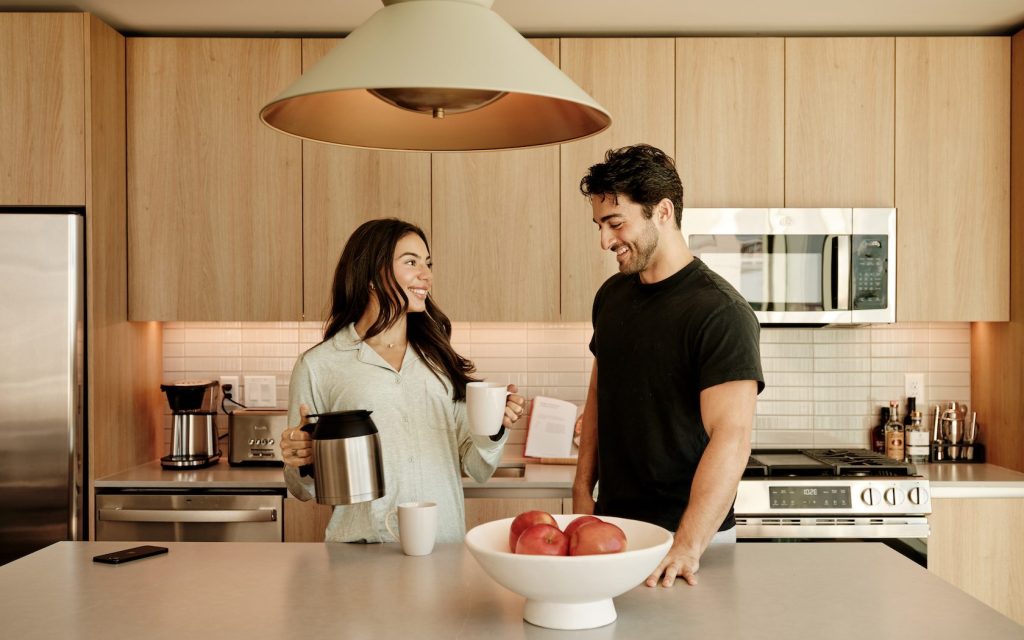
Most renters in downtown Austin live in traditional apartment communities or condominium buildings, where the entire apartment is leased under one contract.
The listed rent reflects the total monthly leasing price of the unit, regardless of how many bedrooms it contains or how many people live there. If roommates share the apartment, residents typically divide the rent privately.
Lease length can also influence monthly pricing. Most apartments offer standard 12-month leases, though shorter or longer lease terms may be available. In many cases, shorter lease terms come with slightly higher monthly rents, while longer leases can offer more stable pricing.
Beyond lease structure, apartment pricing in downtown Austin is primarily influenced by factors like:
- Floor plan and square footage
- Floor plan views and floor height
- Interior finishes and upgrades
- Building amenities and services
- Location within downtown
Together, these factors explain why rental prices can vary significantly between buildings or even between floor plans within the same community.
Read Next: What’s Included in Apartment Rent in Downtown Austin?
What Influences Apartment Pricing Downtown
Several factors influence the cost of living in downtown Austin. While location is important, building design, amenities and services also play a significant role in determining monthly rent.
Floor Plans

Apartment layout is one of the most significant factors influencing rent in downtown Austin.
Apartments with fewer bedrooms typically cost less overall, though the most affordable option per person often depends on whether you live alone or share the space.
Studios typically offer the lowest total rent for individuals living alone, combining living, sleeping and kitchen areas into a single open space. One-bedroom apartments cost more but provide additional privacy and separation between living and sleeping areas.
Two- and three-bedroom apartments come at higher overall rents, but they are often more cost-effective per person when shared with roommates or partners. In many downtown Austin buildings, splitting a larger apartment can result in a lower individual monthly cost than renting a studio or one-bedroom alone.
Layout details can also influence pricing. Apartments with additional bathrooms, flexible workspaces or larger square footage often sit at higher price points within the same building.
Understanding how layouts are priced can help renters decide whether paying more for additional space aligns with their priorities.
Read Next: Signature vs. Elevated: Which Paseo Apartment is Right for You?
Apartment Features That Affect Rent
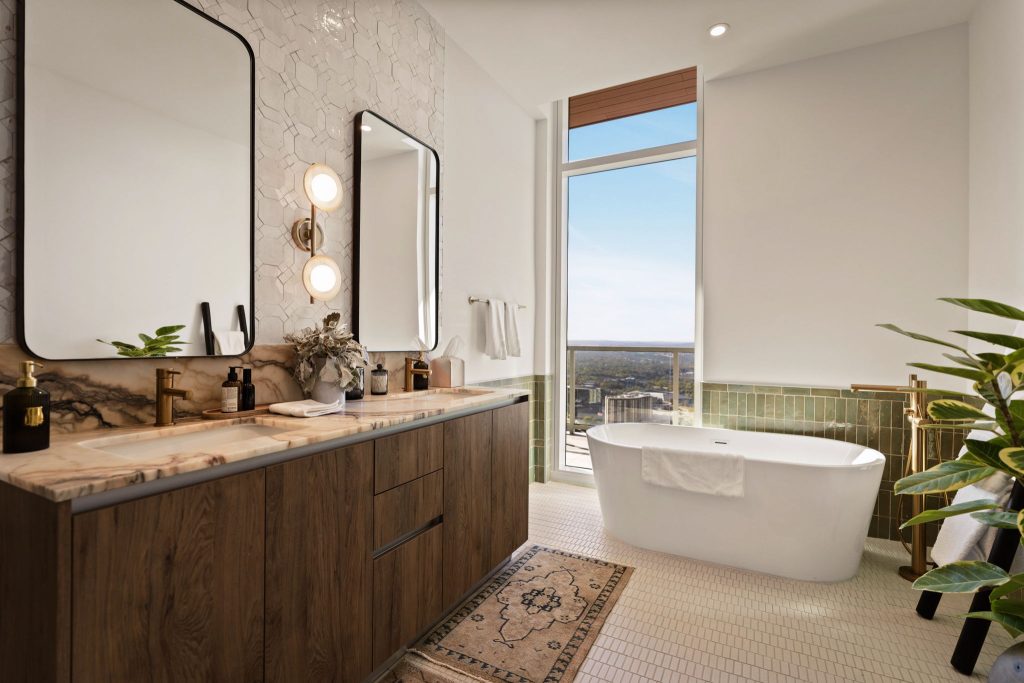
Even within the same floor plan, interior features and finishes can influence monthly rent.
While bedroom count establishes a baseline price, upgrades and in-unit amenities often determine where a specific apartment falls within a building’s pricing range.
Features that commonly increase rent include:
- Balconies or private outdoor space
- Upgraded appliances and interior finishes
- Smart-home technology
- In-unit washer and dryer
- Premium views or higher floors
Apartments overlooking Lady Bird Lake, the Austin skyline or surrounding cityscape often command higher prices than inward-facing or lower floors floor plans.
When comparing apartments, it helps to consider which features truly enhance your day-to-day experience.
Building Amenities and Services

Most downtown Austin renters live in high-rise apartment communities that offer shared amenities designed to support daily living.
Many downtown buildings include amenities such as:
- Fitness centers or boutique fitness studios
- Rooftop pools and outdoor lounges
- Coworking spaces and conference rooms
- Resident lounges and gathering areas
- Concierge services or hospitality partnerships
Newer developments often offer more extensive amenities and services, which can contribute to higher monthly rents compared to older buildings with more basic offerings.
Read Next: A Closer Look Into the Amenities at Paseo
Location Within Downtown
Even within the downtown submarket, location can influence pricing.
Apartments near Rainey Street, Lady Bird Lake, the central business district and the Seaholm District often command higher rents due to proximity to restaurants, nightlife, waterfront trails and major employers.
Buildings slightly farther from these areas may offer lower rents while still providing access to downtown amenities.
Read Next: Which Downtown Austin Neighborhood Is Right for You?
Building Age and Design
The age of a building can also affect pricing.
Newer developments typically feature modern finishes, updated technology and expanded amenity offerings. Older buildings may offer lower rents but fewer shared spaces or services.
For many renters, deciding between newer luxury buildings and older properties comes down to whether the added amenities and design features justify the price difference.
Read Next: 5 Benefits of Living in a New Downtown Austin Apartment
Additional Costs Beyond Monthly Rent

Base rent is only one part of the cost of living in downtown Austin. Most buildings also include additional monthly or one-time fees that contribute to your overall housing costs.
Common additional expenses may include:
- Parking
- Application Fee, Admin Fee and Security Deposit
- Utilities
- Rental Insurance
- Trash and Valet Services
- Internet and Cable
- Pet Deposits, Pet Fees and Pet Rent
- Amenity or Community Fees
- Moving and Storage Costs
Because fee structures vary by building, reviewing a full breakdown before signing a lease is an important step when comparing apartments.
Read Next: Fees at Paseo: Full Breakdown of Monthly and One-Time Costs
Living in downtown Austin involves more than comparing base rent alone. Apartment layout, building amenities, property age, floor plan features and additional fees all contribute to the overall cost of living.
Each factor comes with different tradeoffs in space, services and lifestyle. Understanding how these variables affect pricing can make it easier to compare buildings and choose a community that aligns with your priorities.
For personalized pricing details and current availability at Paseo, contact our leasing team to explore life on Rainey Street.
*All pricing and market data referenced in this article reflects conditions as of publication in May 2026 and is based on recent market reporting for downtown Austin. Figures may vary by building, availability and lease terms.

Nick Burnham
Nick is an Assistant General Manager at Paseo with over five years of experience in property management and a background in hospitality. Originally from Florida, he's lived in Colorado and Oregon before landing in Austin. Outside of work, Nick enjoys staying active, trying new restaurants and unwinding with video games. At Paseo, he focuses on creating a welcoming, easy experience for every resident and prospect.
May 1, 2026
What is the ALIGN x Paseo Penthouse Concierge Service?
By Tayler Martin
Project Update: Pet Relief Area Improvements
By Tayler Martin
Rendering to Reality: Paseo
By Nick Burnham

What Views Will I Have From My Apartment at Paseo?
By Nick Burnham
What is the ALIGN x Paseo Penthouse Concierge Service?
By Tayler Martin
Project Update: Pet Relief Area Improvements
By Tayler Martin
Rendering to Reality: Paseo
By Nick Burnham